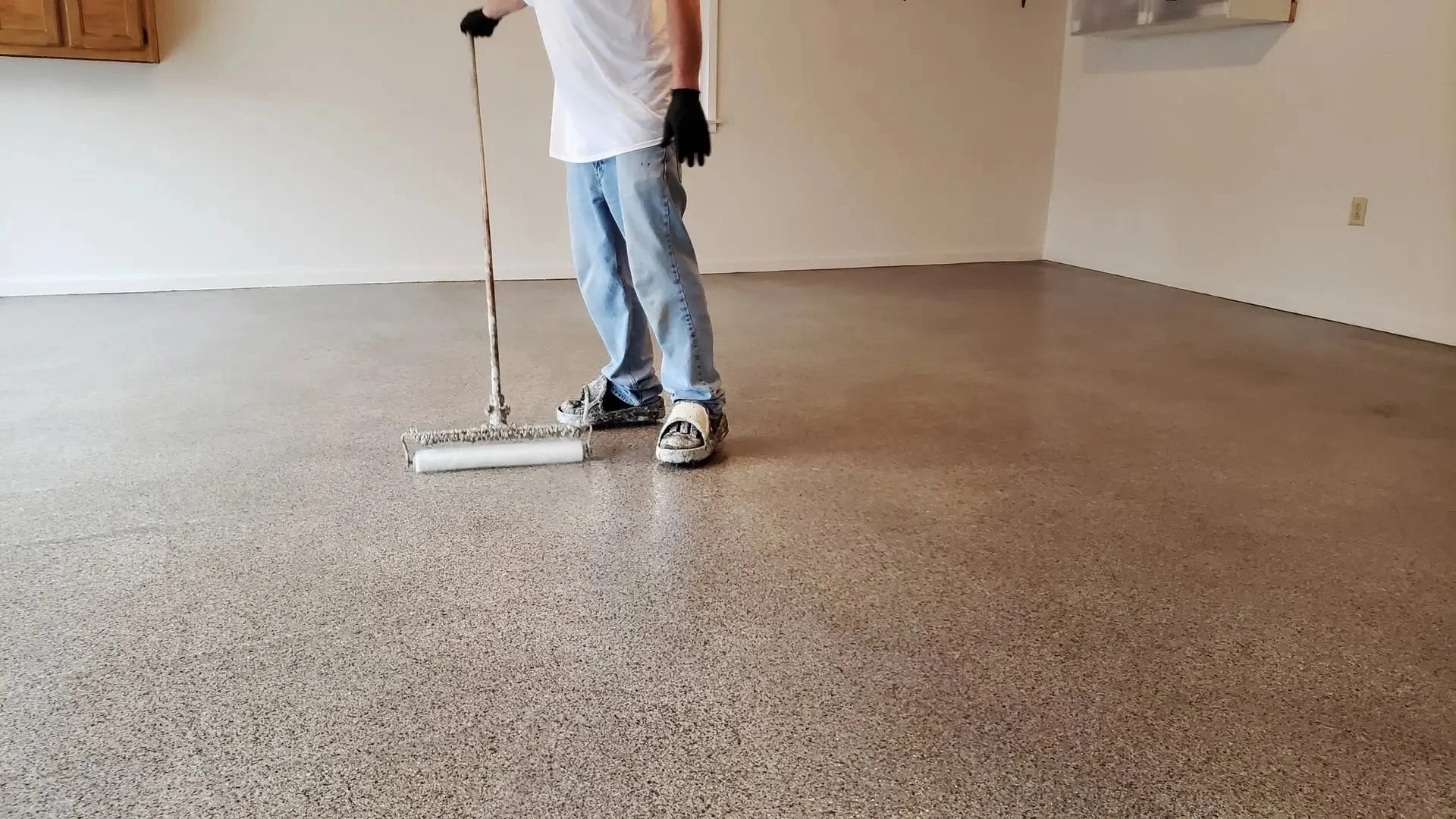
Yes, a garage floor coating can go in during a Kansas City winter. The real question isn't the season on the calendar, it's whether the specific coating system is rated for the actual conditions on installation day, including the concrete itself, not just the air temperature in the garage.
Floor Shield of Kansas City installs 100% polyaspartic coating systems, and owner Jason is on site from the initial estimate through the completed installation. That means a garage gets evaluated on its actual conditions rather than a generic seasonal rule. You can see more about the garage floor coating systems we install.
Why the Calendar Isn't the Deciding Factor
Cold-weather capability depends on the specific coating formulation, not the coating category as a whole. Some polyaspartic systems are engineered to be applied in near-freezing conditions, according to LATICRETE's polyaspartic FAQ. Other polyaspartic products on the market specify a minimum of 40°F for both the ambient air and the concrete substrate, as documented on Sika's Sikafloor-515 product page. The gap between those two examples is the point: winter eligibility for a garage floor coating is a product-specific question, not a blanket answer for an entire category of coating.
Warm Air Doesn't Mean the Slab Is Ready
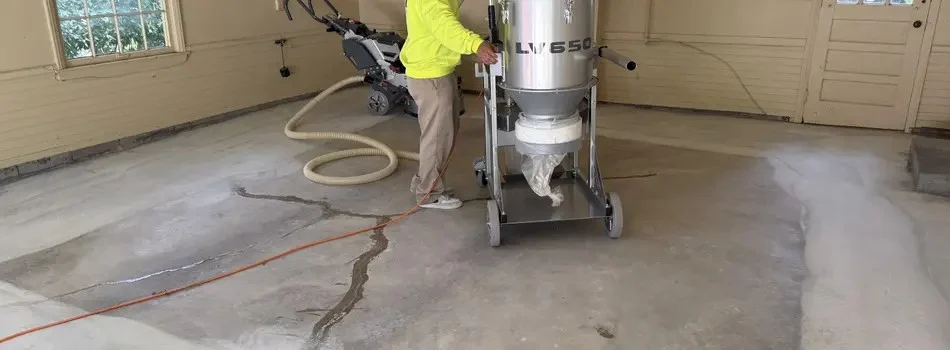
Concrete warms and cools far more slowly than the air around it. A garage can feel comfortable while the slab itself, especially near exterior walls and garage doors, is still too cold for proper adhesion and cure. Running a space heater for an afternoon doesn't change that. Measured concrete temperature is what actually matters, not how the room feels.
Condensation is the other hazard, and it's easy to miss because it isn't always visible. Applying a coating too close to the dew point, generally within about 5°F, can trap moisture against the surface, according to ResinWerks' guidance on garage floor coating installation. The result can show up later as bubbles, pinholes, or adhesion failure rather than at the time of installation.
- Measured concrete slab temperature, not just room temperature
- Temperature near exterior walls and garage doors, which lags behind the rest of the space
- Relative humidity and dew point, not just whether the air feels dry
- The coating manufacturer's documented minimum temperature for that specific product
Finishing the Job Isn't the Same as Driving on It
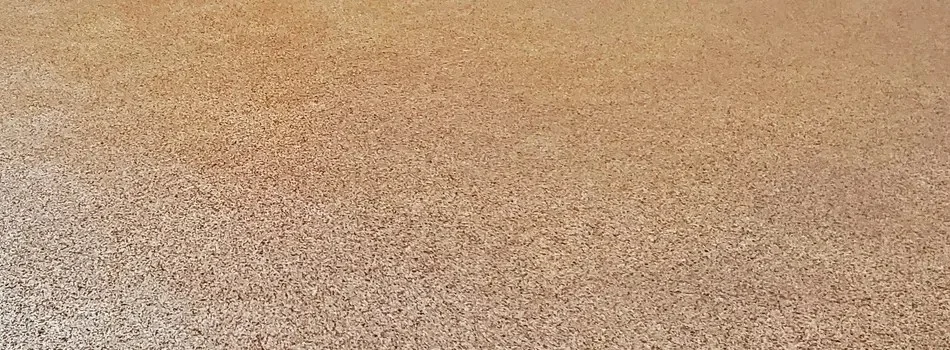
Even once installation conditions are met, a coating moves through several distinct milestones before it's ready for daily use, and they aren't interchangeable. As one illustration, Sika's technical data for Sikafloor-515 lists separate timeframes for walk-on readiness, light foot traffic, and full cure, each longer than the last, under standard lab conditions around 68°F. Colder jobsite temperatures extend those timelines. The practical takeaway: finishing the application and being able to park a car on it are two different questions, and the second one depends on actual cure conditions, not a flat number of days.
What This Means for Scheduling a Winter Project
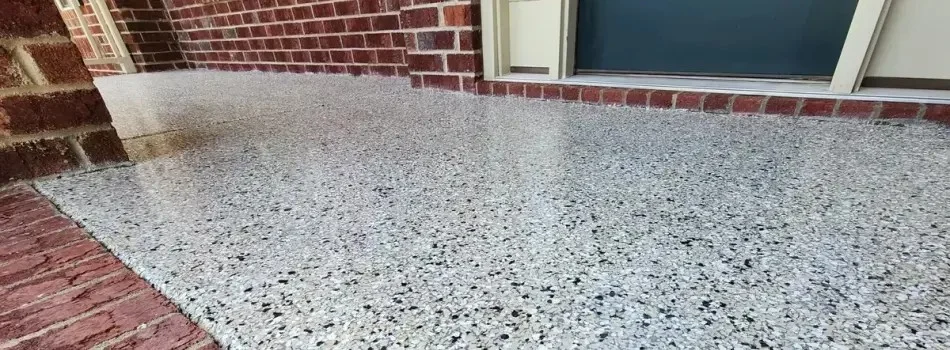
None of this rules out a winter installation. It means the decision should be based on the actual slab and the actual product, not the season alone. Because Jason oversees every job from estimate to installation, conditions get assessed on site rather than assumed from a forecast.
Every Floor Shield of Kansas City installation is backed by a 15-year, non-prorated warranty covering peeling, delamination, and product failure under normal use, so the standard the coating is held to doesn't change based on the time of year it goes in.
Get a Free Estimate for Your Garage Floor
If you're weighing a winter garage floor coating project anywhere in the Greater Kansas City Metro, including Mission Hills, Overland Park, or Olathe, Floor Shield of Kansas City offers free, no-obligation estimates. Call (773) 203-7715 to talk with Jason directly about your garage and get a straight answer on timing.